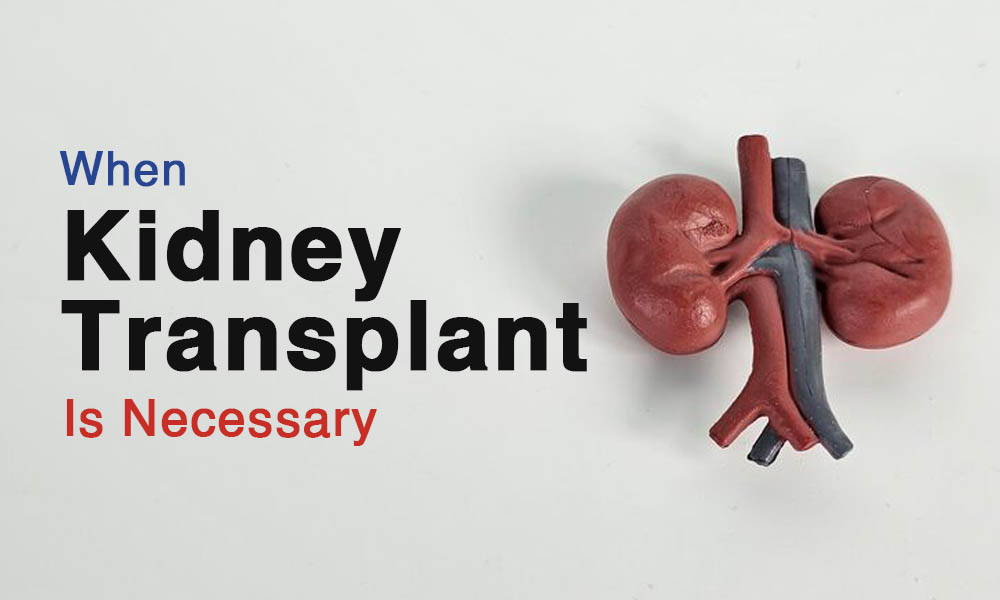
When is Kidney Transplant Necessary?
Kidneys are among the most important organs in the human body. They help remove waste products, balance fluids, regulate blood pressure, and maintain overall body health. However, when the kidneys stop functioning properly, it can severely affect a person’s quality of life. In advanced stages of kidney disease, a kidney transplant may become the best treatment option.
According to Dr. Ankit Agarwal, Urologist at Sir Ganga Ram Hospital Delhi, understanding the right time for a kidney transplant can help patients make informed decisions and improve long-term health outcomes.
What is a Kidney Transplant?
A kidney transplant is a surgical procedure in which a healthy kidney from a donor is placed into a patient whose kidneys are no longer functioning effectively. The donated kidney can come from a living donor or a deceased donor.
Unlike dialysis, which only performs some functions of the kidneys artificially, a successful kidney transplant can restore near-normal kidney function and significantly improve quality of life.
When Does Kidney Failure Occur?
Kidney failure, also known as End-Stage Renal Disease (ESRD), occurs when the kidneys lose around 85–90% of their function. This condition develops gradually and is commonly caused by:
- Diabetes
- High blood pressure
- Chronic kidney disease
- Recurrent kidney infections
- Polycystic kidney disease
- Autoimmune disorders
- Long-term urinary tract obstruction
In the early stages, kidney disease may not show obvious symptoms. As the condition worsens, patients may experience:
- Swelling in legs and feet
- Fatigue and weakness
- Nausea and vomiting
- Loss of appetite
- Shortness of breath
- Difficulty concentrating
- Reduced urine output
- High blood pressure
When kidney function drops to a critical level, doctors may recommend dialysis or kidney transplantation.
When is a Kidney Transplant Necessary?
A kidney transplant becomes necessary when the kidneys can no longer perform their essential functions adequately and long-term dialysis is either insufficient or affecting the patient’s quality of life.
Some common situations where kidney transplantation is advised include:
1. End-Stage Kidney Disease
Patients with end-stage kidney disease are usually the primary candidates for kidney transplantation. At this stage, kidney function is extremely low, and the body starts accumulating toxins and excess fluids.
2. Frequent Dialysis Requirement
Dialysis can help sustain life, but it may become physically and emotionally exhausting over time. Patients who require regular dialysis sessions multiple times a week may benefit significantly from a kidney transplant.
3. Poor Quality of Life
Many patients on long-term dialysis experience fatigue, dietary restrictions, weakness, and difficulty maintaining normal daily activities. A successful transplant often allows patients to return to a more active and independent lifestyle.
4. Complications Due to Kidney Failure
Advanced kidney disease can lead to severe complications such as uncontrolled blood pressure, anemia, heart disease, bone disorders, and fluid retention. In such cases, transplantation may offer better long-term survival and health improvement.
5. Suitable Overall Health Condition
Doctors recommend kidney transplantation only if the patient is medically fit for surgery and lifelong post-transplant care. Patients undergo detailed evaluation before being approved for transplantation.
Benefits of Kidney Transplant
Compared to long-term dialysis, kidney transplantation offers several advantages:
- Better quality of life
- Improved energy levels
- Fewer dietary restrictions
- Better long-term survival
- Improved heart health
- Greater freedom in daily activities
- Reduced dependency on dialysis machines
Many patients are able to return to work, travel, and lead a more normal lifestyle after recovery.
Who Can Donate a Kidney?
Kidney donors can be:
- Family members
- Spouses
- Friends
- Deceased donors
The donor kidney must be medically compatible with the recipient. Blood group matching, tissue matching, and several medical tests are performed before transplantation.
Interestingly, a healthy person can live a normal life with just one kidney.
Recovery After Kidney Transplant
Recovery after kidney transplantation usually takes a few weeks. Patients need regular follow-ups and medications to prevent organ rejection.
Some important aspects of post-transplant care include:
- Taking prescribed medicines regularly
- Maintaining a healthy diet
- Monitoring blood pressure and sugar levels
- Preventing infections
- Regular medical check-ups
With proper care, a transplanted kidney can function effectively for many years.
Final Thoughts
Kidney transplantation is often a life-changing treatment for patients suffering from advanced kidney disease. While dialysis can temporarily support kidney function, transplantation offers a more permanent and effective solution for eligible patients.
Early diagnosis and timely medical consultation play a crucial role in improving treatment outcomes. If you or a loved one is experiencing symptoms of chronic kidney disease, seeking expert medical advice is essential.
Dr. Ankit Agarwal, Urologist at Sir Ganga Ram Hospital Delhi, specializes in the diagnosis and treatment of complex urological and kidney-related conditions, helping patients receive advanced and compassionate care for better long-term health.
Recent Blogs
Kidney Stones: Causes, Prevention & Treatment
June 12, 2026
Prostate Enlargement: Symptoms and Treatment Options
June 05, 2026
Benefits of Robotic Urology Surgery
May 30, 2026