Kidney Stones: Causes, Prevention & Treatment
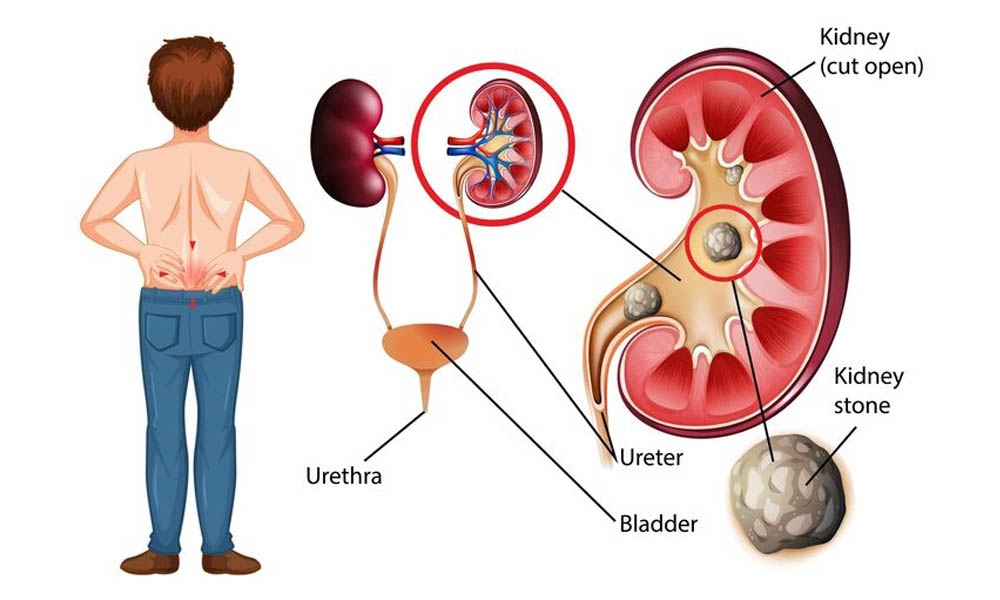
Kidney stones are a common urinary tract condition that affects millions of people worldwide. These hard mineral deposits form inside the kidneys when certain substances in urine become highly concentrated and crystallize. Kidney stones can vary in size, ranging from tiny grains to larger stones that may cause severe pain and urinary complications. Understanding the causes, prevention methods, and available treatment options can help reduce the risk of developing kidney stones and ensure timely medical care when needed.
What Are Kidney Stones?
Kidney stones are solid masses made of minerals and salts that develop within the kidneys. They may remain in the kidney or travel through the urinary tract. While small stones often pass naturally through urine, larger stones can block the urinary system, leading to significant discomfort and medical complications.
Common Causes of Kidney Stones
Several factors contribute to the formation of kidney stones. One of the most common causes is dehydration. When the body lacks sufficient fluids, urine becomes concentrated, making it easier for minerals to crystallize and form stones.
Other common causes include:
- High intake of salt and processed foods
- Excessive consumption of animal protein
- Family history of kidney stones
- Obesity and metabolic disorders
- Certain medical conditions, such as gout and hyperparathyroidism
- Recurrent urinary tract infections
- Low dietary calcium intake
Different types of kidney stones may develop depending on the minerals involved, including calcium stones, uric acid stones, struvite stones, and cystine stones.
Symptoms of Kidney Stones
The symptoms of kidney stones can vary based on their size and location. Some small stones may not cause noticeable symptoms. However, larger stones can lead to:
- Severe pain in the back, side, or lower abdomen
- Pain during urination
- Blood in the urine
- Frequent urge to urinate
- Nausea and vomiting
- Cloudy or foul-smelling urine
- Fever and chills if an infection is present
If any of these symptoms occur, seeking medical attention is essential for proper diagnosis and treatment.
How to Prevent Kidney Stones
Preventing kidney stones often involves making simple lifestyle and dietary changes. Drinking plenty of water throughout the day is one of the most effective preventive measures. Adequate hydration helps dilute urine and reduces the concentration of stone-forming minerals.
Additional prevention tips include:
- Limiting salt intake
- Eating a balanced diet rich in fruits and vegetables
- Maintaining a healthy body weight
- Reducing excessive consumption of red meat
- Following medical advice for underlying health conditions
- Consuming recommended amounts of dietary calcium
Individuals with a history of kidney stones should undergo regular medical evaluations to monitor their urinary health.
Treatment Options for Kidney Stones
The treatment of kidney stones depends on their size, type, and location. Small stones often pass naturally with increased fluid intake and pain management medications.
For larger or more complex stones, advanced treatment options may include:
Medications
Certain medications can help relax the urinary tract muscles, making it easier for stones to pass.
Extracorporeal Shock Wave Lithotripsy (ESWL)
This non-invasive procedure uses shock waves to break kidney stones into smaller fragments that can be passed through urine.
Ureteroscopy
A thin instrument is inserted through the urinary tract to locate and remove or break down the stone.
Percutaneous Nephrolithotomy (PCNL)
For large kidney stones, a minimally invasive surgical procedure may be recommended to remove the stone directly from the kidney.
Medical Management
Specific medications may be prescribed to prevent the recurrence of certain types of stones.
Tips to Prevent Kidney Stones
Preventive measures can greatly reduce your risk of developing kidney stones:
- Drink plenty of water throughout the day.
- Limit excessive salt intake.
- Consume a balanced diet rich in fruits and vegetables.
- Avoid excessive intake of animal protein.
- Maintain a healthy body weight.
- Follow your doctor's dietary recommendations based on the type of stone you have had previously.
- Take medications as prescribed if you have recurrent stones.
When Should You Consult a Urologist?
Consult a urologist if you experience persistent urinary symptoms, severe pain, recurrent kidney stones, or difficulty passing urine. Early evaluation and treatment can help prevent complications and preserve kidney function.
Kidney stones can be painful, but they are often preventable and treatable. Staying hydrated, making healthy lifestyle choices, and seeking timely medical care can significantly reduce the risk of recurrence. If you experience symptoms suggestive of kidney stones, consult an experienced urologist for accurate diagnosis and personalized treatment.
Recent Blogs

Kidney Stones: Causes, Prevention & Treatment
June 12, 2026
Prostate Enlargement: Symptoms and Treatment Options
June 05, 2026
Benefits of Robotic Urology Surgery
May 30, 2026